Home Window Tinting: Save Energy and Comfort
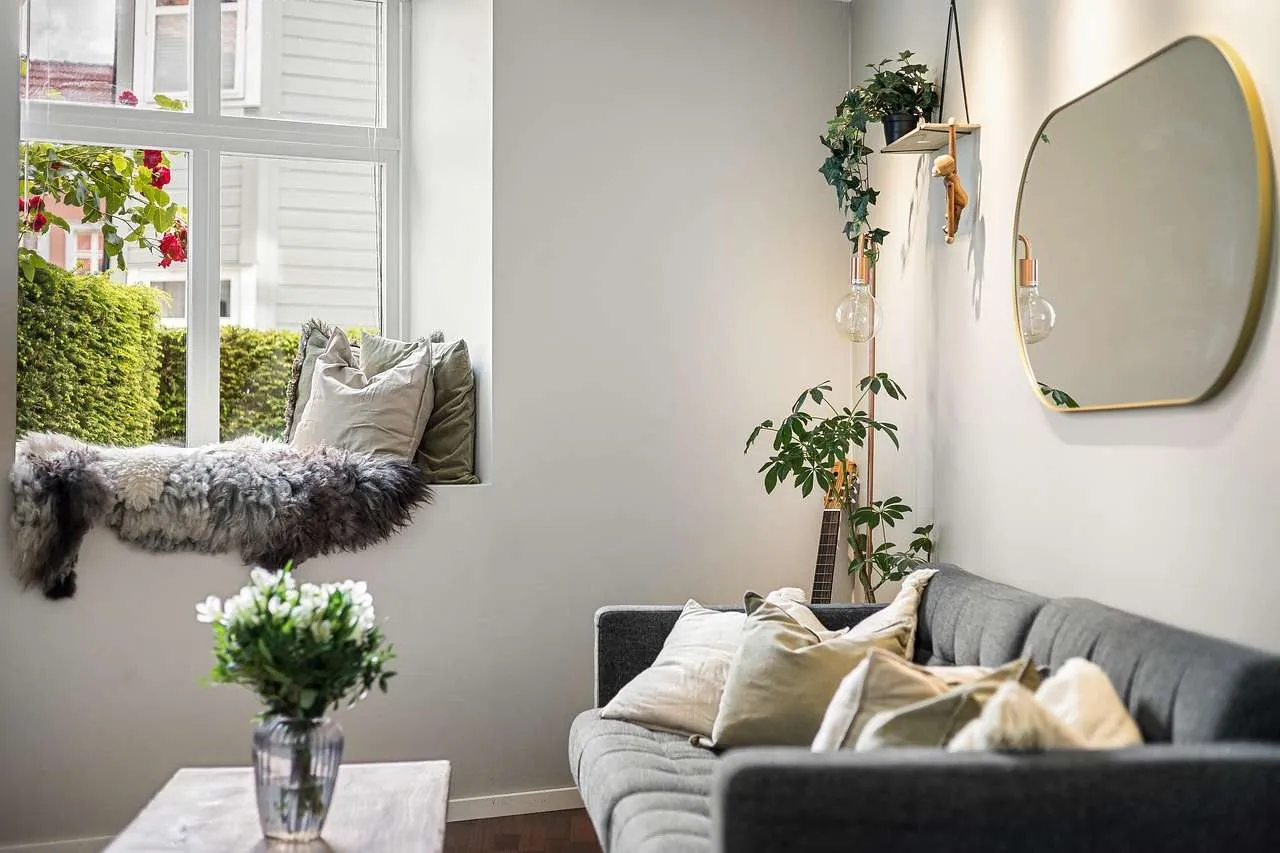
Home window tinting is a practical upgrade for residential spaces. A high-quality film applied to interior glass reduces heat gain, blocks harmful UV rays, and improves comfort without sacrificing views.
What is Home Window Tinting?
Home window tinting involves applying a thin film to existing windows to filter infrared radiation and ultraviolet (UV) light while preserving as much natural light and visibility as possible. Modern films are designed for single- or double-pane glass and can be installed on most interior surfaces without altering the glass itself.
Benefits of Home Window Tinting
- Energy savings: reduced heat gain lowers cooling loads and can shrink utility bills.
- UV protection: blocking up to 99% of UV rays helps protect furniture, flooring, and artwork from fading.
- Glare reduction: less harsh brightness improves comfort for screens and reading.
- Privacy and security: films can obscure interiors from outside views while maintaining a clear view from inside.
- Interior protection: reduces heat and fade damage to furnishings and fabrics.
Types of Window Tint Films
A quick guide to common residential films and their trade-offs.
| Type | Key Benefit | Pros | Cons | Best Use |
|---|---|---|---|---|
| Dyed | Affordability and color depth | Low cost, good privacy | Can fade over time; less durable | Budget projects, cosmetic privacy |
| Metalized | Heat rejection and glare control | Strong performance, reduces glare | May interfere with electronics; potential reflectivity | Hot climates, large panes |
| Ceramic | High heat rejection; non-metallic | Non-reflective, durable, preserves view | Higher cost | Energy-efficient homes |
| Carbon | Good heat rejection; low reflectivity | Color-stable, aesthetically pleasing | Moderate to high cost | Modern homes seeking balance |
| Hybrid | Balanced performance | Mid-range price with solid results | Not as effective as ceramic | Mid-budget projects |
Dyed Window Film
Dyed films provide economical privacy and color enhancements. They are easy to install and suitable for projects where budget is a primary concern. The trade-off is potential fading and lower long-term durability compared with ceramic or carbon options.
Metalized Window Film
Metalized films add heat rejection and glare control through thin metallic layers. They are effective in hot climates and can reduce cooling needs. Some films may affect electronic devices or cause reflections, so verify compatibility with your home electronics and exterior appearance.
Ceramic Window Film
Ceramic films offer superior heat rejection without metal, maintaining a clear, non-reflective appearance. They are among the most durable and preserve natural light well, making them a popular choice for energy-conscious homeowners.
Carbon Window Film
Carbon films provide strong heat rejection with low reflectivity and stable color. They strike a balance between performance and aesthetics, often at a mid-to-high price point.
Hybrid Window Film
Hybrid films combine dyed and metalized layers to deliver a balanced performance at a more moderate cost. They are a practical middle-ground option for many homes.
Factors to Consider Before Tinting
- Orientation and sun exposure: south- and east-facing windows typically benefit most from higher heat rejection.
- Climate and energy goals: hotter climates gain more ROI from higher-performance films.
- Glass type and existing coatings: some films work better with certain glass types or coatings.
- Visible light transmission (VLT) and UV rejection: maintain comfortable daylight levels while reducing glare and fading risk.
- Rules and approvals: check local building codes, HOA rules, and any required permits.
- Warranty and service: review manufacturer warranties and installation guarantees.
Installation Process and ROI
A professional installer begins with an on-site assessment, measures each pane, and helps select an appropriate film type and shade. The actual application involves cleaning, film placement, and a curing period. Most residential projects take 1-2 days, depending on window count and home layout. While costs vary by film type and window area, many homeowners experience meaningful cooling savings and extended furniture life, yielding a favorable ROI over several years in many markets.
Installed film typically comes with a manufacturer-backed warranty spanning 10–25 years, and reputable shops provide post-installation care instructions to maximize performance and longevity.
Maintenance and Care
Let the film cure for 5-7 days after installation before rigorous cleaning. Use a soft microfiber cloth, plain water, or a mild soap solution. Avoid ammonia-based cleaners, abrasive pads, or blades that can scratch or degrade the film over time.
Choosing a Reputable Installer
- Ask for IWFA-trained installers and references; verify licenses where required.
- Request sample swatches and a clear, written warranty.
- Obtain multiple quotes and compare what is included in each proposal (surface prep, curing, guarantees).
- Ask for a maintenance plan and post-installation support.
Frequently Asked Questions
- Will home window tinting reduce natural light? Most films reduce glare while preserving color and view, though darker shades will reduce some light.
- Is tinting safe for furnishings and flooring? UV rejection helps protect furnishings; allow proper curing time after installation.
- Can I tint windows in an HOA community? Check local rules and obtain approvals as needed.
Conclusion, Home window tinting lowers energy use, protects interiors from UV, reduces glare, and boosts privacy. By understanding film types, selecting a reputable installer, and complying with local rules, homeowners can achieve lasting comfort and value.